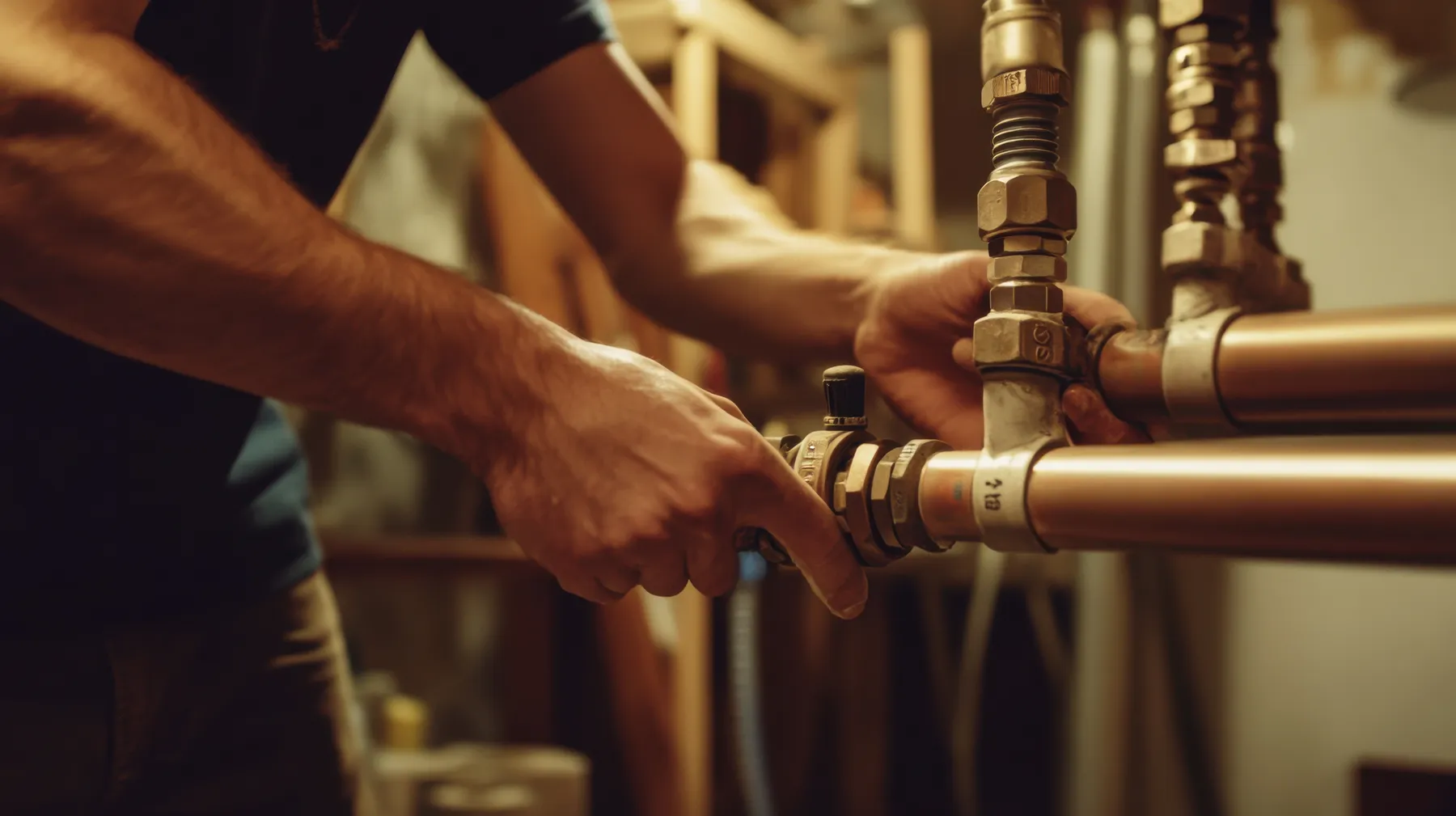
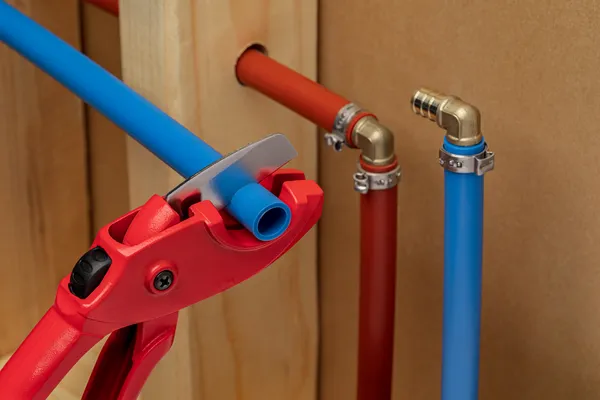
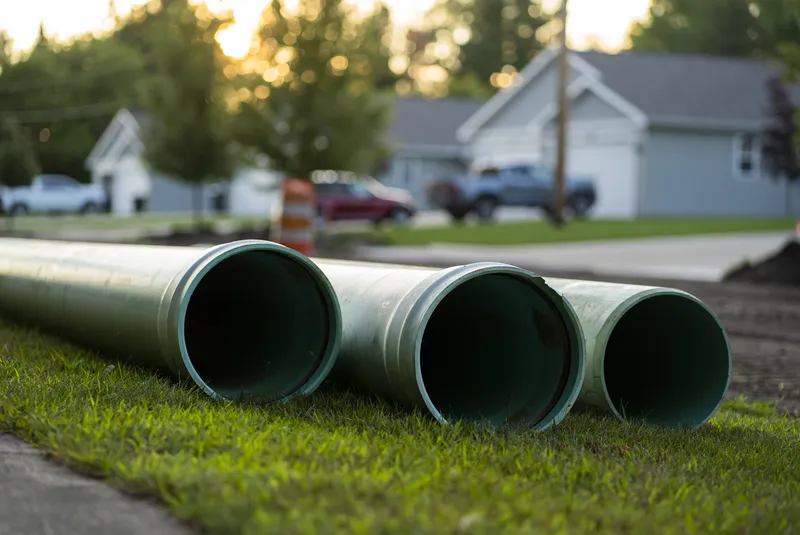
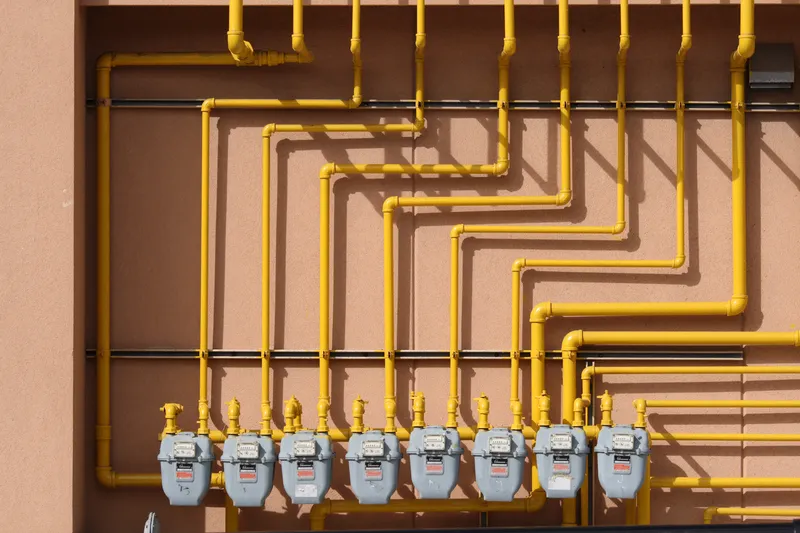
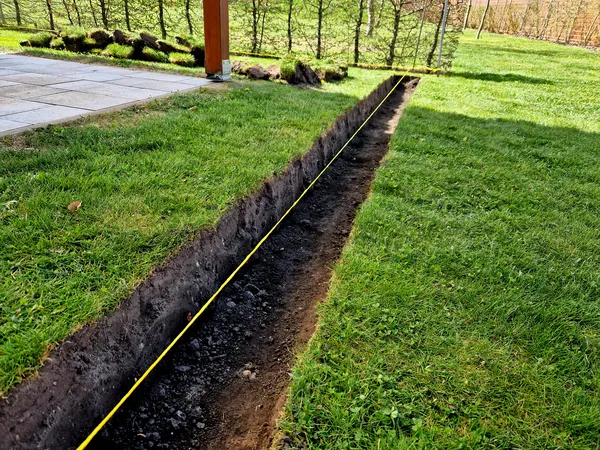
We specialize in replacing outdated or damaged water, gas, sewer, and drain lines with high-quality, long-lasting piping systems. Whether it’s a full home re-pipe or a targeted upgrade, our expert team delivers clean, code-compliant installations with minimal disruption to your home. We’re here to give you peace of mind—so when leaks, low pressure, or old pipes threaten your comfort, you can count on us to get it done right the first time.


Wide range of plumbing solutions
Transparent pricing with no obligations
Eco-friendly practices and innovative technologies
Built on honesty, reliability, and ethical practices
To keep your garbage disposal working efficiently and avoid plumbing issues, follow these proper usage tips:
How to Use It Properly
What to Avoid Putting In
A Pressure Regulator Valve (PRV) is a vital component in your plumbing system that controls the pressure of the water entering your home from the city main line. Its main job is to reduce high incoming water pressure to a safe, consistent level that protects your pipes, fixtures, and appliances.
How it works:
The PRV is installed on your main water line, usually near where the line enters the house. Inside the valve, a diaphragm and spring mechanism automatically adjust to incoming pressure changes. If the pressure is too high, the PRV reduces it before the water flows through the rest of your plumbing system.Why it’s important:
If your home doesn’t already have a PRV, or if it’s more than 10–15 years old, it’s a good idea to have it inspected or replaced by a licensed plumber like Leak On Lock Plumbing to ensure your system is safe and efficient.
A main sewer clean-out is a crucial access point installed on your main sewer line, usually outside the home, that allows plumbers to easily access and service the line. It plays a major role in maintaining and troubleshooting your drainage system.
Purpose of the clean-out:
Why it’s important:
If your home doesn’t have a main clean-out or if it’s buried or damaged, Leak On Lock Plumbing can help install or locate one for you to ensure your sewer system is safe and serviceable.
A sewage smell inside your bathroom or home is usually caused by sewer gases escaping into the living space — something that should never happen in a properly working plumbing system. The most common cause is a problem with the P-trap or a missing or faulty venting system.
One of the main reasons for this smell is a dry or unused P-trap. Every sink, tub, shower, or toilet has a P-trap — a curved section of pipe designed to hold a small amount of water. This water creates a seal that blocks sewer gas from coming up into your home.
If you have a bathtub, sink, or toilet that hasn’t been used for a long time, the water inside the P-trap can evaporate, especially in hot weather. Once it’s dry, the barrier is gone, and the gas comes up through the drain instead of being directed outside through the vent system.
Other possible causes include:
To fix the issue, simply run water down unused drains regularly to refill the P-trap. If the smell continues, it’s best to have your plumbing system inspected to check for leaks, faulty vents, or code violations. Leak On Lock Plumbing can help diagnose and solve the issue to keep your home odor-free and safe.
Leak on lock — your trusted partner for reliable plumbing solutions.
24/7, 8am-6pm