Tankless Water Heaters

Our team ensures each installation meets code, runs safely, and performs at its best. We also offer routine maintenance to extend the life of your system and reduce the risk of breakdowns.

Trust Leak On Lock Plumbing for all your water heater needs — done right, the first time.

  • Tankless & water heater installation
  • Whole house filtration system
  • Drain cleaning
  • Sewer line camera inspection
  • Repiping water lines
  • Free estimates
5.0 based on 100+ reviews

Tankless Water Heaters

Tankless water heaters, ensuring your home has reliable and efficient hot water.

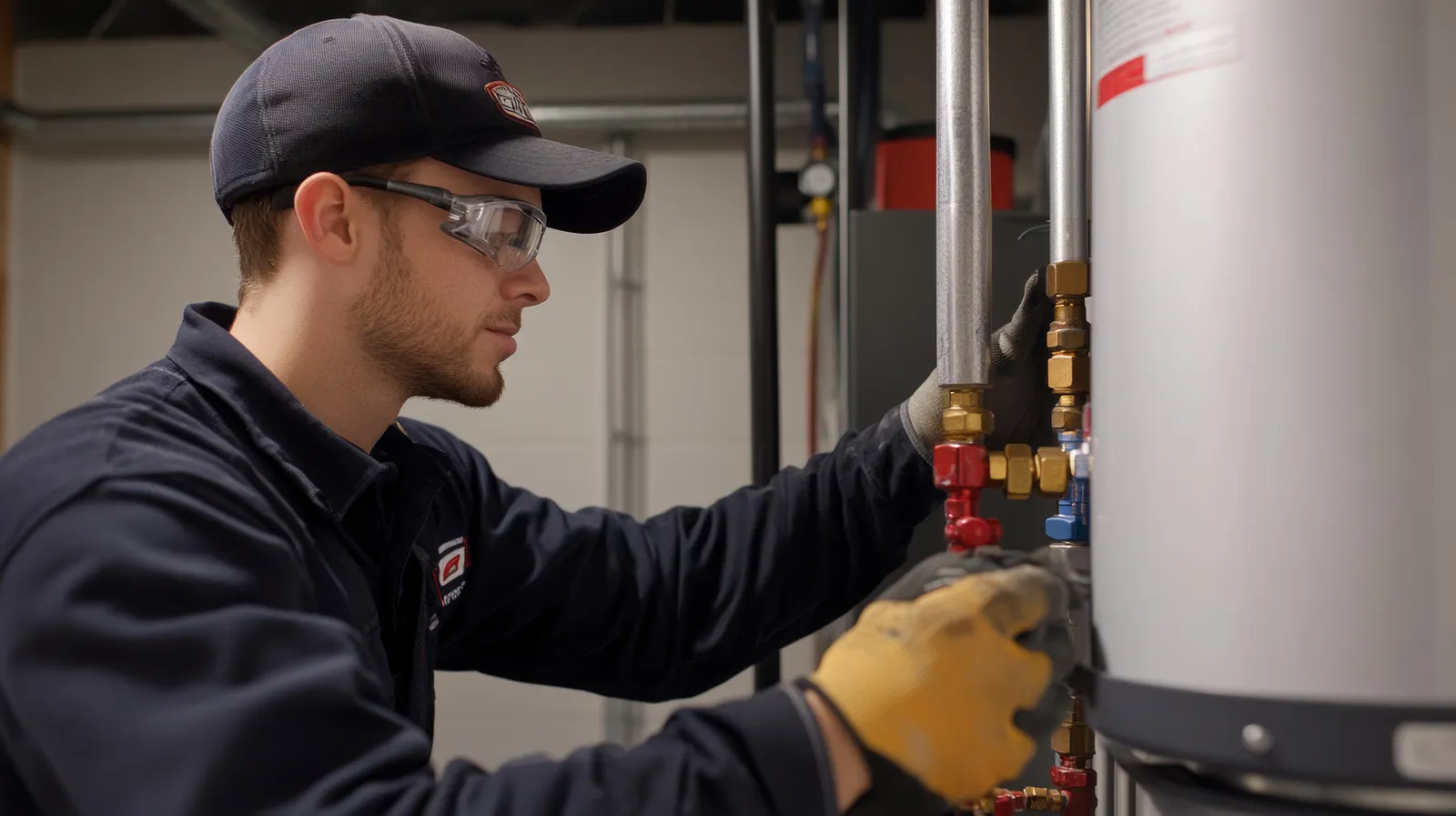
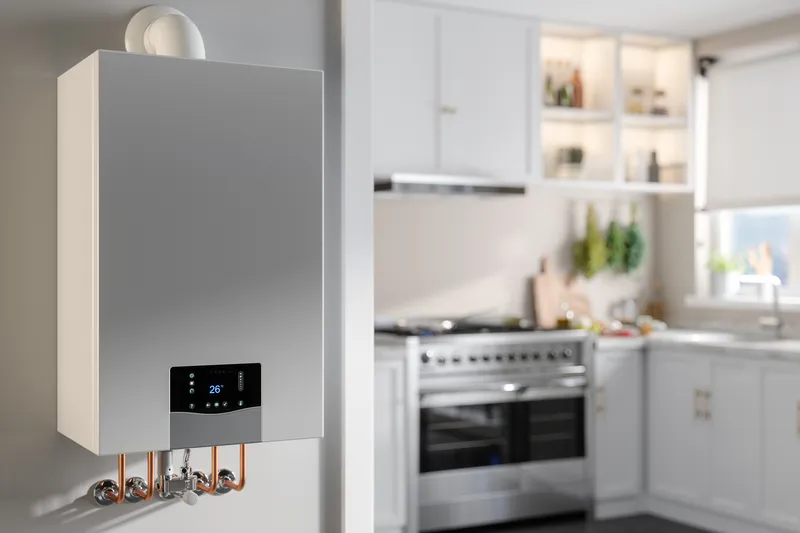
A tankless water heater provides endless hot water on demand, which means you won’t run out of hot water during back-to-back showers or chores. They’re also more energy-efficient than traditional tank water heaters, as they only heat water when needed, which can lower your energy bills. Additionally, tankless units have a longer lifespan and take up less space, making them a great option for maximizing home efficiency and convenience.

  • Endless Hot Water: Heats water on demand, so you never run out.
  • Energy Savings: Doesn’t maintain a hot water tank 24/7, reducing standby energy loss.
  • Space Saving: Wall-mounted units free up floor space.
  • Longer Lifespan: Can last up to 20+ years with proper maintenance.
  • Ideal for Modern Homes: Great for small homes, additions, or households with limited space.

We are here to help

Tankless & Water Heaters Services

Why us?

Comprehensive Services

Wide range of plumbing solutions

Free Estimates

Transparent pricing with no obligations

Sustainability

Eco-friendly practices and innovative technologies

Integrity

Built on honesty, reliability, and ethical practices

Reviews

Post your reviews

FAQs

It’s recommended to have your sewer line inspected every 1-2 years, especially if you have older pipes or large trees near your sewer line. Regular inspections help prevent major blockages and costly repairs.

If you smell gas, leave the area immediately and call your gas company or a professional plumber who specializes in gas lines. Do not use any electrical devices or open flames. Safety is the top priority.

Signs that your water heater might need replacing include inconsistent hot water, unusual noises, rusty water, or leaks around the tank. Typically, water heaters last about 8-12 years.

For minor clogs, you can try using a plunger or a drain snake. If the clog persists, it’s best to call a professional to avoid damaging your pipes.

If you experience frequent leaks, notice a drop in water pressure, or see discoloration in your water, these are signs that your pipes may be deteriorating and need replacement. Older homes with galvanized or polybutylene pipes are especially prone to these issues.

Repiping your gas lines ensures safety, improves the efficiency of your gas appliances, and helps prevent dangerous leaks. If you have older or corroded gas lines, repiping can give you peace of mind and ensure your home meets current safety standards.

Warning signs of sewer line issues include slow drains, foul odors, gurgling noises from your drains, and wet spots in your yard. If you notice any of these, it’s important to get a professional inspection to diagnose and address the problem early.

If you suspect a gas leak, evacuate the area immediately and call emergency services or your gas provider. Do not turn on lights, appliances, or use any electronic devices. Safety is the top priority, and a professional should address the situation as soon as possible.

First, locate the instructions on your water heater, usually found on a label on the tank. Turn the gas control knob to the “off” position and wait a few minutes to let any residual gas disperse. Then, turn the knob to the “pilot” position and press it down while using the igniter or a long lighter to light the pilot. Continue holding the knob down for about a minute after the pilot is lit, then release it and turn the knob to the “on” position. If you’re unsure or uncomfortable doing this, it’s always best to call a professional.

A whole-house water filtration system provides clean, filtered water from every tap in your home. It removes contaminants such as chlorine, sediment, and other impurities, improving the taste and odor of your water. It also helps protect your plumbing fixtures and appliances from scale buildup and extends their lifespan. Plus, having filtered water throughout your home means better quality water for drinking, cooking, and bathing, contributing to your overall health and comfort.

A water softener removes minerals like calcium and magnesium that cause hard water. This results in several benefits, including reducing scale buildup in pipes and appliances, extending their lifespan, and improving the efficiency of water heaters. It also makes soap and detergents more effective, leaving your skin and hair feeling softer and your laundry cleaner. Overall, a water softener enhances your home’s water quality and can save you money on maintenance and energy

A smart leak detection shut-off valve offers several advantages. It can automatically detect leaks and shut off your water supply to prevent extensive damage, even when you’re not home. This can save you from costly repairs and reduce water waste. Additionally, many smart valves can send real-time alerts to your phone, allowing you to monitor your plumbing system remotely and address issues quickly. This added layer of protection provides peace of mind and helps protect your home from unexpected water damage.

An earthquake-actuated gas shut-off valve provides crucial safety by automatically shutting off your gas supply during an earthquake. This helps prevent potential gas leaks and reduces the risk of fires or explosions in the aftermath of a quake. It’s a simple yet effective measure to protect your home and family, offering peace of mind in earthquake-prone areas. Plus, it doesn’t require electricity or internet connectivity, making it a reliable and straightforward safety feature.

If you’re experiencing long wait times for hot water, there are a few potential solutions. First, consider installing a hot water recirculation pump, which can provide near-instant hot water at your faucets. Another option is to insulate your hot water pipes to reduce heat loss. You might also want to check the distance between your water heater and the faucets; if it’s a long distance, a point-of-use water heater might be beneficial. Lastly, ensure your water heater is functioning properly and is the right size for your household’s needs.

A tankless water heater provides endless hot water on demand, which means you won’t run out of hot water during back-to-back showers or chores. They’re also more energy-efficient than traditional tank water heaters, as they only heat water when needed, which can lower your energy bills. Additionally, tankless units have a longer lifespan and take up less space, making them a great option for maximizing home efficiency and convenience.

A humming garbage disposal usually means the motor is receiving power, but the grind plate is jammed and won't spin. This is often caused by food debris, bones, or foreign objects lodged inside the unit. It may also result from a seized motor or a worn-out bearing. To fix it, first turn off the power, then try using an Allen wrench in the bottom center slot to manually free the jam. If that doesn’t work or the unit hums and shuts off quickly, the internal overload protector may have tripped—or the disposal might need to be replaced.

To keep your garbage disposal working efficiently and avoid plumbing issues, follow these proper usage tips:

How to Use It Properly

  • Always run cold water before, during, and after using the disposal to help solidify any grease or fat and flush it down the drain.
  • Feed food scraps gradually into the disposal instead of all at once to prevent jamming.
  • Keep the disposal running a few seconds after the food is ground up to ensure everything is flushed through the pipes.

What to Avoid Putting In

  • Grease, oils, and fats – They harden in the pipes and can cause clogs.
  • Fibrous vegetables like celery, corn husks, and potato peels – These can wrap around the blades or clog the drain.
  • Eggshells – The membrane can stick to the sides of the disposal and cause buildup.
  • Coffee grounds – They form a thick paste that may block your drain.
  • Bones, pits, or shells – These are too hard and can damage the disposal blades.
  • Pasta, rice, and bread – They expand with water and can clog the drain line.

If your dishwasher isn’t draining, it’s often due to a clogged drain hose, blocked air gap, or a malfunctioning drain pump. Food particles, grease, or debris can block the filter or drain path, preventing water from exiting the unit. In some cases, the issue may be related to a clogged garbage disposal (if the dishwasher is connected to it) or an improperly installed drain loop. Diagnosing the exact cause requires checking each component for blockage or mechanical failure. Regular maintenance and filter cleaning can help prevent this issue.

A toilet leaking from the base usually means the wax ring seal between the toilet and the floor flange has failed. This can happen due to age, improper installation, or the toilet becoming loose over time. When that seal breaks, wastewater can escape with every flush, often causing puddles or damp flooring around the toilet. It’s important to shut off the water, inspect for movement, and replace the wax ring promptly to prevent damage to the subfloor and potential mold growth. If left unaddressed, the leak can worsen and lead to costly repairs.

A sudden spike in your water bill is often a sign of a hidden leak somewhere in your plumbing system. Common culprits include leaking toilets, underground slab leaks, dripping faucets, or irrigation line issues. Even a small, slow leak can waste hundreds of gallons over time. To identify the problem, check for running water sounds when fixtures are off, inspect for damp spots, and monitor your water meter when no water is being used. If the issue isn’t visible, it’s best to schedule a professional leak inspection to avoid water damage and stop the waste at its source.

A continuously running toilet is usually caused by a worn-out flapper, misaligned float, or a faulty fill valve. The flapper may not be sealing properly, allowing water to leak from the tank into the bowl—forcing the fill valve to keep refilling. In other cases, the float might be set too high, causing the tank to overfill and trigger the overflow tube. These parts wear out over time but are usually inexpensive to replace. Fixing the issue promptly can prevent water waste and lower your monthly water bill.

A Pressure Regulator Valve (PRV) is a vital component in your plumbing system that controls the pressure of the water entering your home from the city main line. Its main job is to reduce high incoming water pressure to a safe, consistent level that protects your pipes, fixtures, and appliances.

How it works:

The PRV is installed on your main water line, usually near where the line enters the house. Inside the valve, a diaphragm and spring mechanism automatically adjust to incoming pressure changes. If the pressure is too high, the PRV reduces it before the water flows through the rest of your plumbing system.

Why it’s important:

  • Protects pipes and fixtures – High water pressure can cause leaks, pipe bursts, and damage to faucets, toilets, and appliances like water heaters and washing machines.
  • Prevents water waste – Lower pressure means less water flowing unnecessarily, helping reduce your water bill.
  • Improves system lifespan – Keeps your entire plumbing system running more smoothly and extends the life of your plumbing components.
  • Maintains safety – Prevents the risk of flooding or sudden pipe failures caused by pressure spikes.

If your home doesn’t already have a PRV, or if it’s more than 10–15 years old, it’s a good idea to have it inspected or replaced by a licensed plumber like Leak On Lock Plumbing to ensure your system is safe and efficient.

A main sewer clean-out is a crucial access point installed on your main sewer line, usually outside the home, that allows plumbers to easily access and service the line. It plays a major role in maintaining and troubleshooting your drainage system.

Purpose of the clean-out:

  • It provides direct access to the main sewer line for cleaning, inspection, and clearing blockages.
  • It allows for efficient use of sewer cameras during inspections to locate problems like root intrusion, broken pipes, or buildup.
  • It enables fast and effective hydro-jetting or snaking to remove clogs and restore flow.

Why it’s important:

  • Without a clean-out, clearing a sewer line may require removing a toilet or cutting into the plumbing, which is more invasive and costly.
  • A properly placed clean-out reduces the risk of backups inside the home by allowing fast response to sewer issues.
  • It is often required by code in many areas for easy maintenance access.
  • It makes routine maintenance and emergency service much quicker and more affordable.

If your home doesn’t have a main clean-out or if it’s buried or damaged, Leak On Lock Plumbing can help install or locate one for you to ensure your sewer system is safe and serviceable.

A sewage smell inside your bathroom or home is usually caused by sewer gases escaping into the living space — something that should never happen in a properly working plumbing system. The most common cause is a problem with the P-trap or a missing or faulty venting system.

One of the main reasons for this smell is a dry or unused P-trap. Every sink, tub, shower, or toilet has a P-trap — a curved section of pipe designed to hold a small amount of water. This water creates a seal that blocks sewer gas from coming up into your home.

If you have a bathtub, sink, or toilet that hasn’t been used for a long time, the water inside the P-trap can evaporate, especially in hot weather. Once it’s dry, the barrier is gone, and the gas comes up through the drain instead of being directed outside through the vent system.

Other possible causes include:

  • Cracked or broken vent pipes
  • Loose or damaged toilet seals
  • Sewer line issues or partial blockages
  • Improperly installed or abandoned drain lines

To fix the issue, simply run water down unused drains regularly to refill the P-trap. If the smell continues, it’s best to have your plumbing system inspected to check for leaks, faulty vents, or code violations. Leak On Lock Plumbing can help diagnose and solve the issue to keep your home odor-free and safe.

Contacts

We are here to help